
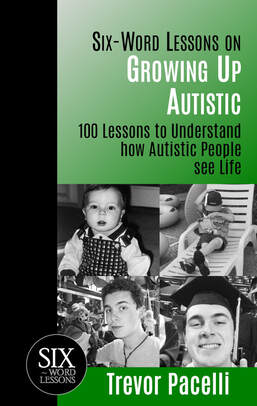
Typically, career choices are made based upon responsibilities, compensation, or prestige where a businessperson makes a change to get a higher salary, more responsibility, or greater prestige. What about the situation, though, where the driver behind a career choice isn’t any of these; where it’s the needs of a child that drive the change? My choice was precisely that.
Trevor was a happy, normal, active baby. He was able to laugh, coo, cry, and do all of the other normal things that his big sister, Briana did at that age. To my wife Patty and me, everything seemed to be just fine. At about age two, we noticed that Trevor was hardly saying any words and was very into his own world with puzzles, coloring, and videos.
2 Comments
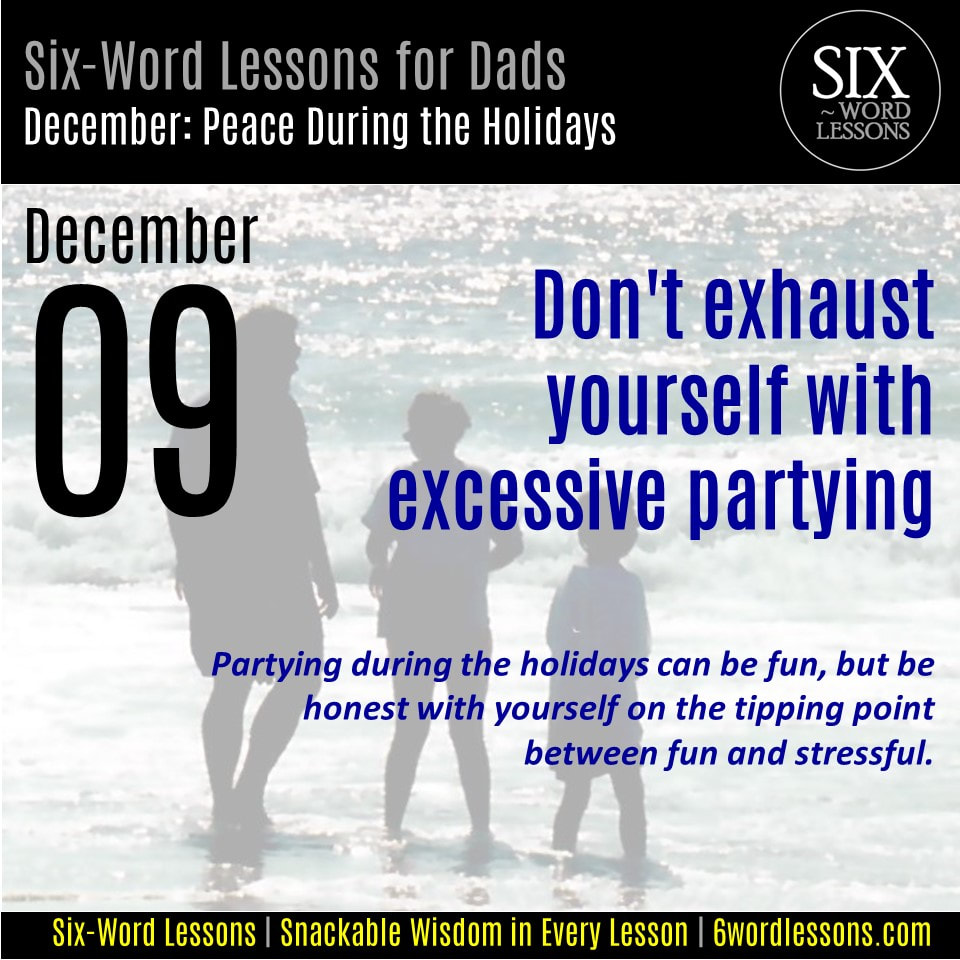
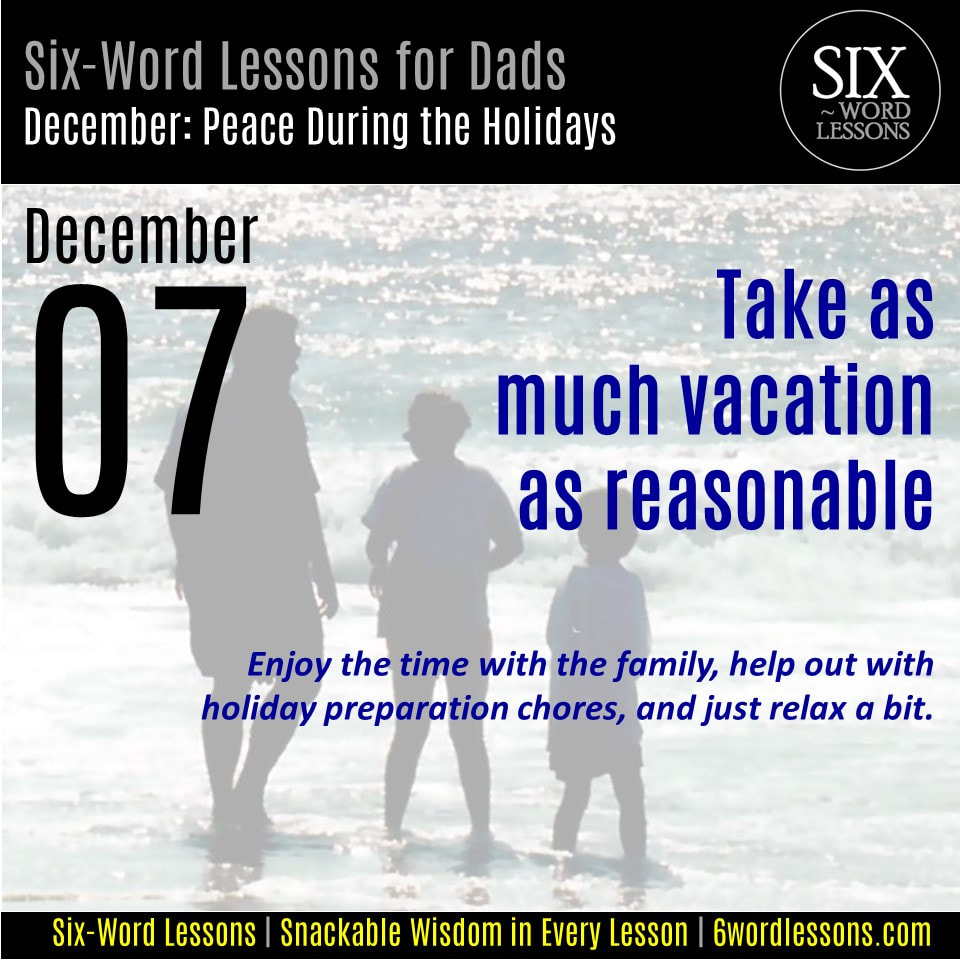
Colleagues - I just created a daily calendar for dads using our Six-Word Lessons format. Each month I focus on a specific topic, such as "Planning for the Future", "Balancing it All", "Managing Your Career", etc. Every day I send out a Six-Word Lesson for that topic (see samples above). To avoid flooding inboxes with daily emails, I am doing only through social media. If you would like to get these lessons in your social media feed click on one of the below social media buttons and follow me. I also appreciate you sharing the lessons in your social media feed :-). As always would love your feedback. Please feel free to share your thoughts with me.
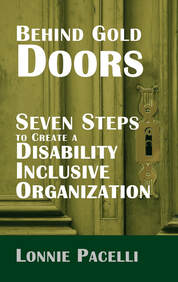
15 million working age Americans have a disability. Only 4 million have jobs. Much of today's talk about Diversity, Equality and Inclusion (DEI) leaves out those with disabilities. Did you know 26% of people worldwide have a disability? My passion is to ensure that disability inclusion is front and center whenever someone talks about DEI. When I wrote Behind Gold Doors-Seven Steps to Create a Disability Inclusive Organization, my goal was to not just provide disability awareness but to give seven steps to help an organization become more disability inclusive. The seven steps are as follows:
Are you diving or merely surviving as a leader when it comes to disability inclusion? See what Jade learns about disability inclusion and how she becomes personally committed to DI in Behind Gold Doors-Seven Steps to Create a Disability Inclusive Organization.
Want even more? See what we have to say about autism awareness. Need a primer on disabilities? Check out Disabilities 101.
 Six-Word Lessons for Dads with Autistic Kids on Amazon, kindle, iTunes, Nook and others Six-Word Lessons for Dads with Autistic Kids on Amazon, kindle, iTunes, Nook and others
Many with ASD are perfectly content being on their own, focused on their favorite activities. This can be perplexing, particularly when the autistic child has siblings who like interaction. Briana was a very social child who craved interaction. Trevor was the polar opposite. As an adult, he still needs his alone time.
See all 100 lessons at GrowingUpAutistic.com  Six-Word Lessons for Dads with Autistic Kids on Amazon, kindle, iTunes, Nook and others Six-Word Lessons for Dads with Autistic Kids on Amazon, kindle, iTunes, Nook and others
From early on, Trevor showed obsessive interests in certain things. At age two it was puzzles. At age five it was the television show Blues Clues. Throughout his childhood he was obsessed with drawing just about anything. He still has strong interests such as movies (fortunately that is his chosen profession) but is not nearly as obsessive as when he was younger.
See all 100 lessons at GrowingUpAutistic.com  Six-Word Lessons for Dads with Autistic Kids on Amazon, kindle, iTunes, Nook and more Six-Word Lessons for Dads with Autistic Kids on Amazon, kindle, iTunes, Nook and more
Many with ASD have difficult verbalizing feelings of happiness, sadness, anger, etc. You can definitely see through their actions how they are feeling, but they are less likely to verbalize it. Trevor as an adult still has difficulty with this at times and gets frustrated with himself when he can't verbalize his feelings.
See all 100 lessons at GrowingUpAutistic.com. |
Topics
All
Reprints
Contact Lonnie about article reprints. Please specify article you wish to reprint. Backlist
See Lonnie's Amazon Author Page Archives
April 2024
|

 RSS Feed